Buy footballtoday.eu ?
We are moving the project
footballtoday.eu .
Are you interested in purchasing the domain
footballtoday.eu ?
domain@kv-gmbh.de · 0541-91531010
Buy footballtoday.eu ?
What is the correct grammatical form of "laisser qn faire qc" and "faire qn faire qc"?
The correct grammatical form of "laisser qn faire qc" is to let someone do something. This construction uses the verb "laisser" (to let) followed by a person (qn) and an action (qc). On the other hand, the correct grammatical form of "faire qn faire qc" is to make someone do something. This construction uses the verb "faire" (to make) followed by a person (qn) and an action (qc) that they are being made to do. **
How do you form "venir de faire" and "être en train de faire"?
"Venir de faire" is formed by conjugating the verb "venir" in the present tense followed by the preposition "de" and the infinitive of the verb you want to express has just been done. For example, "Je viens de manger" means "I have just eaten." "Être en train de faire" is formed by conjugating the verb "être" in the present tense followed by the preposition "en train de" and the infinitive of the verb you want to express is currently being done. For example, "Je suis en train de manger" means "I am currently eating." **

Similar search terms for Faire-La-Fete-Faire
Top-Angebote
Products related to Faire-La-Fete-Faire:
-
"""La Fete""" """La Fete du Blanc 2022 White Wine - France""""""The nose exhales aromas of passion fruit, mango and a hint of white flower. On the palate, the wine opens up with beautiful vivacity and offers an exquisite finish of citrus fruits and floral flavors. Blend: 65% Rolle, 26% Viognier, 9% Colombard"""24,97 $*Shipping: 0,00 $Secure redirect to the provider
-
Savoir Faire Outdoor Art by West of the Wind in MultiAll weather outdoor canvas art. Transport yourself into nature with this stunning and vivid outdoor art piece. This unique and inspired artwork features bright, beautiful colors and is printed on canvas using giclee printing technology. Each piece...239,99 $*Shipping: 29,78 $Secure redirect to the provider
-
LightInthebox Women's Medieval Vintage Rhinestone Chain Headpiece – Retro Beaded Fringe Hair Jewelry for Costume Ball, Renaissance Faire, Themed Party Glamorous Dress-Up WeaEmbellishment:Hair accessories; Gender:Women's; Type:Headband; Style:Fashion,Carnival Costumes Ladies; Occasion:Carnival; Material:Plastics; Shipping Weight:0.1; Listing Date:12/29/202526,99 $*Shipping: 6,99 $Secure redirect to the provider
-
LightInthebox Women's Taupe Pirate Costume Knee-High Boots, Color Block Fold-Over Cuff Tall Boots with Vintage Medieval Style for Halloween, Renaissance Faire, Cosplay, Stage Performance Costume PartyMaterials:Faux Suede; Season:Fall,Winter; Heel Type:Flat Heel; Gender:Women's; Toe Shape:Pointed Toe; Style:Vintage,Casual; Occasion:Halloween,Casual,Daily; Closure Type:Loafer; Function:Slip Resistant; Pattern:Color Block; Listing Date:08/19/2026;...59,99 $*Shipping: 6,99 $Secure redirect to the provider


-
What does "laisser faire" mean?
"Laisser faire" is a French term that translates to "let do" or "let it be." It is often used in the context of economics and politics to refer to a policy of minimal government intervention in the economy. This approach advocates for free markets, limited regulation, and non-interference by the government in economic activities. The idea is that the economy will function most efficiently when left to its own devices, without excessive government control. **
-
What is the policy of laissez-faire?
Laissez-faire is an economic policy that advocates for minimal government intervention in the economy. It promotes the idea that markets should be allowed to operate freely without government interference, believing that this will lead to the most efficient allocation of resources and optimal economic outcomes. Laissez-faire policies typically involve limited regulations, low taxes, and free trade. This approach is often associated with classical liberal economic theory and is based on the belief that individuals and businesses acting in their own self-interest will ultimately benefit society as a whole. **
-
How is "attendre" conjugated differently from "faire"?
The verb "attendre" is conjugated differently from "faire" because they belong to different verb groups in French. "Attendre" is a regular -re verb, so it follows a different conjugation pattern than "faire," which is an irregular verb. For example, in the present tense, "attendre" is conjugated as j'attends, tu attends, il/elle/on attend, nous attendons, vous attendez, ils/elles attendent, while "faire" is conjugated as je fais, tu fais, il/elle/on fait, nous faisons, vous faites, ils/elles font. **
-
How is "attendre" conjugated differently than "faire"?
The verb "attendre" is conjugated differently than "faire" because they belong to different verb groups. "Attendre" is a regular -re verb, so its conjugation follows the pattern of other -re verbs like "vendre" or "rendre." On the other hand, "faire" is an irregular verb, so its conjugation does not follow a specific pattern and must be memorized. Additionally, "attendre" and "faire" have different endings and stem changes in their conjugations, further distinguishing their conjugation patterns. **


What is the correct grammatical formulation in French for "venir de faire qc" and "être en train de faire qc"?
The correct grammatical formulation in French for "venir de faire qc" is to use the verb "venir" in the present tense followed by the preposition "de" and then the infinitive form of the verb. For example, "Je viens de manger" (I have just eaten). The correct grammatical formulation in French for "être en train de faire qc" is to use the verb "être" in the present tense followed by the preposition "en train de" and then the infinitive form of the verb. For example, "Je suis en train de manger" (I am in the process of eating). **
How do you form sentences with the French verb 'faire'?
To form sentences with the French verb 'faire', you typically conjugate the verb according to the subject pronoun (je, tu, il/elle/on, nous, vous, ils/elles) and then add the infinitive form of the verb that follows. For example, "je fais du sport" (I do sports), "tu fais tes devoirs" (you do your homework), or "nous faisons la cuisine" (we cook). The verb 'faire' is irregular and does not follow the typical conjugation patterns of regular verbs in French, so it is important to memorize its conjugations. **
Top-Angebote
Products related to Faire-La-Fete-Faire:
-
"""Faire La Fete""" """Faire La Fete Brut Champagne - France""""""A blend of Chardonnay, Chenin Blanc and Pinot Noir, Faire La Fête Brut is made in the méthode traditionnelle and aged on the lees for 15 months before release. It is a light golden in color with vibrant aromas and flavors of baked apple, white..."24,97 $*Shipping: 0,00 $Secure redirect to the provider
-
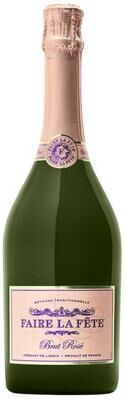
"""Faire La Fete""" """Faire La Fete Brut Rose Champagne - France""""""Faire La Fête Brut Rosé is from Limoux, France. A blend of Chardonnay, Chenin Blanc and Pinot Noir, the wine is made in the traditional way, méthode traditionnelle, and aged on the lees for 15+ months before release. It is coral in color with..."25,97 $*Shipping: 0,00 $Secure redirect to the provider
-
"""La Fete""" """La Fete du Blanc 2022 White Wine - France""""""The nose exhales aromas of passion fruit, mango and a hint of white flower. On the palate, the wine opens up with beautiful vivacity and offers an exquisite finish of citrus fruits and floral flavors. Blend: 65% Rolle, 26% Viognier, 9% Colombard"""24,97 $*Shipping: 0,00 $Secure redirect to the provider
-
Savoir Faire Outdoor Art by West of the Wind in MultiAll weather outdoor canvas art. Transport yourself into nature with this stunning and vivid outdoor art piece. This unique and inspired artwork features bright, beautiful colors and is printed on canvas using giclee printing technology. Each piece...239,99 $*Shipping: 29,78 $Secure redirect to the provider
-
What is the correct grammatical form of "laisser qn faire qc" and "faire qn faire qc"?
The correct grammatical form of "laisser qn faire qc" is to let someone do something. This construction uses the verb "laisser" (to let) followed by a person (qn) and an action (qc). On the other hand, the correct grammatical form of "faire qn faire qc" is to make someone do something. This construction uses the verb "faire" (to make) followed by a person (qn) and an action (qc) that they are being made to do. **
-
How do you form "venir de faire" and "être en train de faire"?
"Venir de faire" is formed by conjugating the verb "venir" in the present tense followed by the preposition "de" and the infinitive of the verb you want to express has just been done. For example, "Je viens de manger" means "I have just eaten." "Être en train de faire" is formed by conjugating the verb "être" in the present tense followed by the preposition "en train de" and the infinitive of the verb you want to express is currently being done. For example, "Je suis en train de manger" means "I am currently eating." **
-
What does "laisser faire" mean?
"Laisser faire" is a French term that translates to "let do" or "let it be." It is often used in the context of economics and politics to refer to a policy of minimal government intervention in the economy. This approach advocates for free markets, limited regulation, and non-interference by the government in economic activities. The idea is that the economy will function most efficiently when left to its own devices, without excessive government control. **
-
What is the policy of laissez-faire?
Laissez-faire is an economic policy that advocates for minimal government intervention in the economy. It promotes the idea that markets should be allowed to operate freely without government interference, believing that this will lead to the most efficient allocation of resources and optimal economic outcomes. Laissez-faire policies typically involve limited regulations, low taxes, and free trade. This approach is often associated with classical liberal economic theory and is based on the belief that individuals and businesses acting in their own self-interest will ultimately benefit society as a whole. **
Similar search terms for Faire-La-Fete-Faire
-
LightInthebox Women's Medieval Vintage Rhinestone Chain Headpiece – Retro Beaded Fringe Hair Jewelry for Costume Ball, Renaissance Faire, Themed Party Glamorous Dress-Up WeaEmbellishment:Hair accessories; Gender:Women's; Type:Headband; Style:Fashion,Carnival Costumes Ladies; Occasion:Carnival; Material:Plastics; Shipping Weight:0.1; Listing Date:12/29/202526,99 $*Shipping: 6,99 $Secure redirect to the provider
-
LightInthebox Women's Taupe Pirate Costume Knee-High Boots, Color Block Fold-Over Cuff Tall Boots with Vintage Medieval Style for Halloween, Renaissance Faire, Cosplay, Stage Performance Costume PartyMaterials:Faux Suede; Season:Fall,Winter; Heel Type:Flat Heel; Gender:Women's; Toe Shape:Pointed Toe; Style:Vintage,Casual; Occasion:Halloween,Casual,Daily; Closure Type:Loafer; Function:Slip Resistant; Pattern:Color Block; Listing Date:08/19/2026;...59,99 $*Shipping: 6,99 $Secure redirect to the provider
-
How is "attendre" conjugated differently from "faire"?
The verb "attendre" is conjugated differently from "faire" because they belong to different verb groups in French. "Attendre" is a regular -re verb, so it follows a different conjugation pattern than "faire," which is an irregular verb. For example, in the present tense, "attendre" is conjugated as j'attends, tu attends, il/elle/on attend, nous attendons, vous attendez, ils/elles attendent, while "faire" is conjugated as je fais, tu fais, il/elle/on fait, nous faisons, vous faites, ils/elles font. **
-
How is "attendre" conjugated differently than "faire"?
The verb "attendre" is conjugated differently than "faire" because they belong to different verb groups. "Attendre" is a regular -re verb, so its conjugation follows the pattern of other -re verbs like "vendre" or "rendre." On the other hand, "faire" is an irregular verb, so its conjugation does not follow a specific pattern and must be memorized. Additionally, "attendre" and "faire" have different endings and stem changes in their conjugations, further distinguishing their conjugation patterns. **
-
What is the correct grammatical formulation in French for "venir de faire qc" and "être en train de faire qc"?
The correct grammatical formulation in French for "venir de faire qc" is to use the verb "venir" in the present tense followed by the preposition "de" and then the infinitive form of the verb. For example, "Je viens de manger" (I have just eaten). The correct grammatical formulation in French for "être en train de faire qc" is to use the verb "être" in the present tense followed by the preposition "en train de" and then the infinitive form of the verb. For example, "Je suis en train de manger" (I am in the process of eating). **
-
How do you form sentences with the French verb 'faire'?
To form sentences with the French verb 'faire', you typically conjugate the verb according to the subject pronoun (je, tu, il/elle/on, nous, vous, ils/elles) and then add the infinitive form of the verb that follows. For example, "je fais du sport" (I do sports), "tu fais tes devoirs" (you do your homework), or "nous faisons la cuisine" (we cook). The verb 'faire' is irregular and does not follow the typical conjugation patterns of regular verbs in French, so it is important to memorize its conjugations. **
* All prices are inclusive of VAT and, if applicable, plus shipping costs. The offer information is based on the details provided by the respective shop and is updated through automated processes. Real-time updates do not occur, so deviations can occur in individual cases. ** Note: Parts of this content were created by AI.