Buy footballtoday.eu ?
We are moving the project
footballtoday.eu .
Are you interested in purchasing the domain
footballtoday.eu ?
domain@kv-gmbh.de · 0541-91531010
Buy footballtoday.eu ?
What is the difference between an ionic bond, an ionic lattice, and an ionic compound?
An ionic bond is a type of chemical bond that forms between two atoms when one atom transfers one or more electrons to another atom. An ionic lattice refers to the three-dimensional arrangement of ions in a regular, repeating pattern in an ionic compound. An ionic compound is a chemical compound composed of ions held together by ionic bonds. In summary, an ionic bond is the bond formed between two atoms, an ionic lattice is the arrangement of ions in a compound, and an ionic compound is the overall chemical compound formed by ionic bonds. **
Ionic bond or molecule?
An ionic bond is formed when one atom transfers electrons to another atom, resulting in the formation of positively and negatively charged ions that are held together by electrostatic forces. On the other hand, a molecule is formed when two or more atoms share electrons to achieve a stable electron configuration. Therefore, the main difference between an ionic bond and a molecule is the way in which atoms are held together - through transfer of electrons in an ionic bond, and through sharing of electrons in a molecule. **
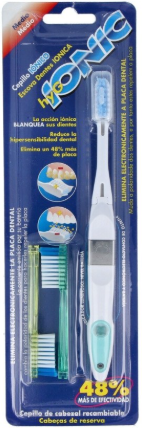

Similar search terms for Foramen-Hyg-Ionic-Medium
Top-Angebote
Products related to Foramen-Hyg-Ionic-Medium:
-
Foramen Foradent Medium Antiplaque ToothbrushHealth and Beauty Oral Care Foramen Foradent Medium Antiplaque Toothbrush Manual toothbrush ideal for gentle gum care. The filaments of this brush are antibacterial, it has a flexible head with a tilting center that improves interdental access, and absorbs excess pressure on the gums during brushing. Indicated for extra care of the enamel, and perfect for accessing all areas of the mouth without damaging the gums.2,48 £*Shipping: 3,99 £Secure redirect to the provider
-
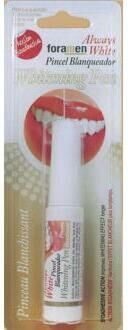
Foramen Whitening BrushHealth and Beauty Oral Care Foramen Whitening Brush The Oradent Foramen Whitening Brush is ideal for applying teeth whitening gel. Helps achieve a whiter smile. Instructions for use: Apply the whitening gel to your teeth according to the instructions.7,18 £*Shipping: 3,99 £Secure redirect to the provider
-
Bio Ionic BlueWave NanoIonic Conditioning Brush MediumHealth and Beauty Brushes Bio Ionic BlueWave NanoIonic Conditioning Brush Medium The shaping capabilities of a round brush with the smoothing powers of a palette, this brush gives it all. The uniquely waved bristles provide extra tension, allowing you to get right to the roots and comb all the way to the tip of the hair. Use the flat side to smooth and the rounded corners to create volume. Key Benefits: Unique square round shape. Benefit of a round brush and a palette. Wavy bristles for added tension. Soft-touch, easy-grip handle Fact: The smaller the barrel of your brush, the more shape it will provide. For soft blowouts with lots of shape and movement, go down 1 size less than you normally would.20,19 £*Shipping: 3,99 £Secure redirect to the provider
-
Foramen Mouth Spray 15 mlHealth and Beauty Oral Care Foramen Mouth Spray 15 ml Lasting Freshness. Fight Halitosis in an effective and long-lasting way. Provides fresh breath at all times. Instructions for use: Apply directly to the mouth by pressing once or twice.4,13 £*Shipping: 3,99 £Secure redirect to the provider



-
What is the difference between an ionic bond and an ionic compound?
An ionic bond is a type of chemical bond that forms between two atoms when one atom donates an electron to another atom, resulting in the formation of positively and negatively charged ions. An ionic compound, on the other hand, is a compound that is formed when these positively and negatively charged ions are attracted to each other and form a stable structure. In other words, an ionic bond is the specific type of bond that forms between atoms, while an ionic compound is the resulting compound formed by the combination of these ions. **
-
What is the difference between an ionic compound and an ionic bond?
An ionic compound is a chemical compound composed of ions held together by ionic bonds. An ionic bond is a type of chemical bond that involves the transfer of electrons from one atom to another, resulting in the formation of positively and negatively charged ions. In summary, an ionic compound is the result of the combination of ions through ionic bonds. **
-
What distinguishes an ionic bond?
An ionic bond is formed between two atoms when one atom transfers electrons to another atom. This transfer results in one atom becoming positively charged (cation) and the other becoming negatively charged (anion), creating an electrostatic attraction between the two oppositely charged ions. Ionic bonds are typically formed between a metal and a nonmetal due to the large difference in electronegativity between the two atoms. This stark difference in electronegativity leads to the complete transfer of electrons, resulting in a strong bond. **
-
Is MnO4 an ionic bond?
No, MnO4 is not an ionic bond. MnO4 is the chemical formula for the permanganate ion, which is a polyatomic ion composed of one manganese atom and four oxygen atoms. The bond between the manganese and oxygen atoms in the permanganate ion is a covalent bond, as the atoms share electrons to form the bond. Therefore, MnO4 does not exhibit ionic bonding. **

What is an ionic compound?
An ionic compound is a chemical compound composed of positively charged ions (cations) and negatively charged ions (anions) held together by electrostatic forces. These compounds are formed through the transfer of electrons from one atom to another, resulting in the formation of ions with opposite charges. The most common example of an ionic compound is table salt, or sodium chloride (NaCl), which is composed of positively charged sodium ions and negatively charged chloride ions. Ionic compounds typically have high melting and boiling points and are often soluble in water. **
Why are ionic compounds solid?
Ionic compounds are solid at room temperature because of the strong electrostatic forces of attraction between the positively and negatively charged ions. In an ionic compound, the positively charged cations are attracted to the negatively charged anions, forming a three-dimensional lattice structure. This strong attraction between the ions requires a significant amount of energy to break the bonds, which is why ionic compounds are typically solid at room temperature. Additionally, the arrangement of ions in the lattice structure also contributes to the stability and solid nature of ionic compounds. **
Top-Angebote
Products related to Foramen-Hyg-Ionic-Medium:
-
Foramen Hyg Ionic Medium ToothbrushHealth and Beauty Oral Care Foramen Hyg Ionic Medium Toothbrush What is Foramen Hyg Ionic Medium Toothbrush? Foramen Hyg Ionic Medium Toothbrush is an innovative toothbrush designed to offer advanced oral cleaning. Thanks to its ionic technology, it helps remove more plaque and maintain optimal oral hygiene. With medium-hard bristles and an ergonomic design, this brush is ideal for effective, comfortable and safe brushing. It is the perfect combination of technology and traditional care to improve your oral health. Benefits Ionic technology: Facilitates the removal of bacterial plaque more efficiently. Medium-hard bristles: Provide deep cleaning without damaging the gums. Ergonomic design: Allows comfortable handling and precise control while brushing. Take care of your enamel: Ideal for keeping teeth healthy and protected. Suitable for daily use: Designed to withstand frequent use without losing effectiveness. Who is it for? The Foramen Hyg Ionic Medium Toothbrush is perfect for: People looking for more effective oral hygiene thanks to ionic technology. Users with sensitive teeth and gums who need a medium bristle brush. Those who wish to maintain their daily oral hygiene with a professional quality product. Individuals concerned about preventing plaque buildup and cavities. How do I apply it? Using the Foramen Hyg Ionic Medium Toothbrush is very simple: Apply an appropriate amount of toothpaste to the bristles of the toothbrush. Brush your teeth in circular motions for at least 2 minutes. Make sure to reach all areas of your mouth, including teeth, gums and tongue. Rinse your mouth and clean the brush with water after each use. Product Usage The Foramen Hyg Ionic Medium Toothbrush is designed for daily oral care. It is ideal for removing plaque, preventing dental problems and maintaining a healthy smile. Use it at least twice a day, preferably in the morning and before bed, as part of your oral hygiene routine. Buy Foramen Hyg Ionic Medium Toothbrush Do you want to improve your oral hygiene routine? Buying the Foramen Hyg Ionic Medium Toothbrush is the best choice to keep your teeth and gums in perfect condition. Available in our online store, this toothbrush combines technology and comfort for superior oral care. Order now and experience the difference!13,99 £*Shipping: 3,99 £Secure redirect to the provider
-
Foramen Foradent Medium Antiplaque ToothbrushHealth and Beauty Oral Care Foramen Foradent Medium Antiplaque Toothbrush Manual toothbrush ideal for gentle gum care. The filaments of this brush are antibacterial, it has a flexible head with a tilting center that improves interdental access, and absorbs excess pressure on the gums during brushing. Indicated for extra care of the enamel, and perfect for accessing all areas of the mouth without damaging the gums.2,48 £*Shipping: 3,99 £Secure redirect to the provider
-
Foramen Whitening BrushHealth and Beauty Oral Care Foramen Whitening Brush The Oradent Foramen Whitening Brush is ideal for applying teeth whitening gel. Helps achieve a whiter smile. Instructions for use: Apply the whitening gel to your teeth according to the instructions.7,18 £*Shipping: 3,99 £Secure redirect to the provider
-
What is the difference between an ionic bond, an ionic lattice, and an ionic compound?
An ionic bond is a type of chemical bond that forms between two atoms when one atom transfers one or more electrons to another atom. An ionic lattice refers to the three-dimensional arrangement of ions in a regular, repeating pattern in an ionic compound. An ionic compound is a chemical compound composed of ions held together by ionic bonds. In summary, an ionic bond is the bond formed between two atoms, an ionic lattice is the arrangement of ions in a compound, and an ionic compound is the overall chemical compound formed by ionic bonds. **
-
Ionic bond or molecule?
An ionic bond is formed when one atom transfers electrons to another atom, resulting in the formation of positively and negatively charged ions that are held together by electrostatic forces. On the other hand, a molecule is formed when two or more atoms share electrons to achieve a stable electron configuration. Therefore, the main difference between an ionic bond and a molecule is the way in which atoms are held together - through transfer of electrons in an ionic bond, and through sharing of electrons in a molecule. **
-
What is the difference between an ionic bond and an ionic compound?
An ionic bond is a type of chemical bond that forms between two atoms when one atom donates an electron to another atom, resulting in the formation of positively and negatively charged ions. An ionic compound, on the other hand, is a compound that is formed when these positively and negatively charged ions are attracted to each other and form a stable structure. In other words, an ionic bond is the specific type of bond that forms between atoms, while an ionic compound is the resulting compound formed by the combination of these ions. **
-
What is the difference between an ionic compound and an ionic bond?
An ionic compound is a chemical compound composed of ions held together by ionic bonds. An ionic bond is a type of chemical bond that involves the transfer of electrons from one atom to another, resulting in the formation of positively and negatively charged ions. In summary, an ionic compound is the result of the combination of ions through ionic bonds. **
Similar search terms for Foramen-Hyg-Ionic-Medium
-
Bio Ionic BlueWave NanoIonic Conditioning Brush MediumHealth and Beauty Brushes Bio Ionic BlueWave NanoIonic Conditioning Brush Medium The shaping capabilities of a round brush with the smoothing powers of a palette, this brush gives it all. The uniquely waved bristles provide extra tension, allowing you to get right to the roots and comb all the way to the tip of the hair. Use the flat side to smooth and the rounded corners to create volume. Key Benefits: Unique square round shape. Benefit of a round brush and a palette. Wavy bristles for added tension. Soft-touch, easy-grip handle Fact: The smaller the barrel of your brush, the more shape it will provide. For soft blowouts with lots of shape and movement, go down 1 size less than you normally would.20,19 £*Shipping: 3,99 £Secure redirect to the provider
-
Foramen Mouth Spray 15 mlHealth and Beauty Oral Care Foramen Mouth Spray 15 ml Lasting Freshness. Fight Halitosis in an effective and long-lasting way. Provides fresh breath at all times. Instructions for use: Apply directly to the mouth by pressing once or twice.4,13 £*Shipping: 3,99 £Secure redirect to the provider
-
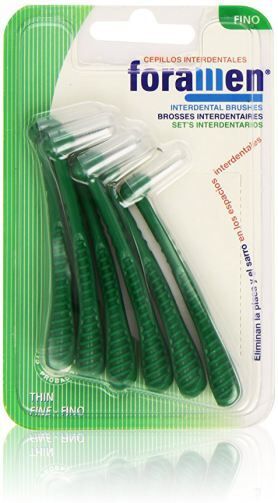
Foramen Angular shape interdental brushesHealth and Beauty Oral Care Foramen Angular shape interdental brushes Fine Interdental Brush The wide range of brushes FORAMEN covers all the needs for a perfect hygiene and oral health. To keep the gums healthy, prevent gum inflammation and cavities. Useful for daily cleaning of implants and orthodontic appliances.3,70 £*Shipping: 3,99 £Secure redirect to the provider
-
Foramen Oradent Travel Plus Travel BrushHealth and Beauty Oral Care Foramen Oradent Travel Plus Travel Brush Foldable design toothbrush. Its small size makes it ideal to carry everywhere, in your bag or in the pocket of your jacket or pants, which allows you to take care of your mouth at all times and always maintain fresh breath. Contains dental floss. Includes 5 ml toothpaste. Instructions for use: Use in oral hygiene.3,66 £*Shipping: 3,99 £Secure redirect to the provider
-
What distinguishes an ionic bond?
An ionic bond is formed between two atoms when one atom transfers electrons to another atom. This transfer results in one atom becoming positively charged (cation) and the other becoming negatively charged (anion), creating an electrostatic attraction between the two oppositely charged ions. Ionic bonds are typically formed between a metal and a nonmetal due to the large difference in electronegativity between the two atoms. This stark difference in electronegativity leads to the complete transfer of electrons, resulting in a strong bond. **
-
Is MnO4 an ionic bond?
No, MnO4 is not an ionic bond. MnO4 is the chemical formula for the permanganate ion, which is a polyatomic ion composed of one manganese atom and four oxygen atoms. The bond between the manganese and oxygen atoms in the permanganate ion is a covalent bond, as the atoms share electrons to form the bond. Therefore, MnO4 does not exhibit ionic bonding. **
-
What is an ionic compound?
An ionic compound is a chemical compound composed of positively charged ions (cations) and negatively charged ions (anions) held together by electrostatic forces. These compounds are formed through the transfer of electrons from one atom to another, resulting in the formation of ions with opposite charges. The most common example of an ionic compound is table salt, or sodium chloride (NaCl), which is composed of positively charged sodium ions and negatively charged chloride ions. Ionic compounds typically have high melting and boiling points and are often soluble in water. **
-
Why are ionic compounds solid?
Ionic compounds are solid at room temperature because of the strong electrostatic forces of attraction between the positively and negatively charged ions. In an ionic compound, the positively charged cations are attracted to the negatively charged anions, forming a three-dimensional lattice structure. This strong attraction between the ions requires a significant amount of energy to break the bonds, which is why ionic compounds are typically solid at room temperature. Additionally, the arrangement of ions in the lattice structure also contributes to the stability and solid nature of ionic compounds. **
* All prices are inclusive of VAT and, if applicable, plus shipping costs. The offer information is based on the details provided by the respective shop and is updated through automated processes. Real-time updates do not occur, so deviations can occur in individual cases. ** Note: Parts of this content were created by AI.