Buy footballtoday.eu ?
We are moving the project
footballtoday.eu .
Are you interested in purchasing the domain
footballtoday.eu ?
domain@kv-gmbh.de · 0541-91531010
Buy footballtoday.eu ?
Where do you plug in the fan?
The fan is typically plugged into a power outlet using its power cord. The power cord is usually located at the back or bottom of the fan. Make sure to plug the fan into a properly grounded outlet to ensure safe operation. **
Is a repair of the fan plug necessary?
Yes, a repair of the fan plug may be necessary if it is damaged or not functioning properly. A faulty fan plug can lead to the fan not working correctly, which can result in overheating of the device it is meant to cool. It is important to address any issues with the fan plug to ensure the proper functioning and longevity of the fan and the device it is connected to. **

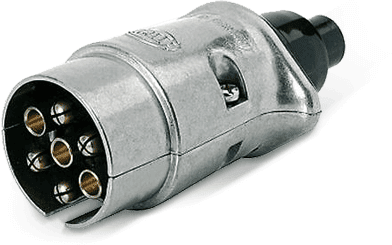
Similar search terms for HPAUTO-28430-Plug
Top-Angebote
Products related to HPAUTO-28430-Plug:



-
How do I connect the fan plug to the motherboard?
To connect the fan plug to the motherboard, first locate the fan header on the motherboard. It is usually labeled as "SYS_FAN" or "CHA_FAN" and is located near the CPU socket. Next, align the fan plug with the header and gently push it in until it is securely connected. Make sure to match the pins on the fan plug with the pins on the header to avoid damaging the components. Finally, use the cable management features on your motherboard to secure the fan cable and keep it tidy inside your computer case. **
-
Can you plug a USB fan into a power outlet?
No, a USB fan is designed to be powered by a USB port, typically found on computers, laptops, or other devices. It is not compatible with a standard power outlet unless you use an adapter to convert the power outlet to a USB port. Using a USB fan with a power outlet directly may damage the fan or the outlet. **
-
Why does the plug of the heater fan get hot?
The plug of the heater fan gets hot because of the flow of electricity through it. When the heater fan is turned on, electricity flows through the plug and into the fan, causing resistance in the plug. This resistance generates heat, which can cause the plug to become hot to the touch. It is important to ensure that the plug is not overheating, as this could be a fire hazard. **
-
What is the 3-pin plug on my fan for?
The 3-pin plug on your fan is for connecting it to a power source. The three pins are for the live, neutral, and earth connections. The live and neutral pins provide the electrical power to the fan, while the earth pin is for safety, providing a path for electrical current to safely dissipate in the event of a fault. It is important to always use the appropriate power source and plug for your fan to ensure safe and proper operation. **


How to wire the Chaysol inline fan with capacitor and plug?
To wire the Chaysol inline fan with a capacitor and plug, you will first need to connect the wires from the fan to the capacitor. The capacitor helps to regulate the fan's speed. Next, you will need to connect the plug to the wires coming from the fan and capacitor. Make sure to follow the manufacturer's instructions and use proper wiring techniques to ensure the fan operates safely and effectively. If you are unsure about the wiring process, it is recommended to consult a professional electrician for assistance. **
How do I connect a 9V fan to a 12V plug?
To connect a 9V fan to a 12V plug, you can use a voltage regulator to step down the voltage from 12V to 9V. This will ensure that the fan receives the appropriate voltage to operate safely without being damaged. Make sure to select a voltage regulator that can handle the current required by the fan. Simply connect the input of the voltage regulator to the 12V plug and the output to the fan, following the regulator's instructions. **
Top-Angebote
Products related to HPAUTO-28430-Plug:
-
Where do you plug in the fan?
The fan is typically plugged into a power outlet using its power cord. The power cord is usually located at the back or bottom of the fan. Make sure to plug the fan into a properly grounded outlet to ensure safe operation. **
-
Is a repair of the fan plug necessary?
Yes, a repair of the fan plug may be necessary if it is damaged or not functioning properly. A faulty fan plug can lead to the fan not working correctly, which can result in overheating of the device it is meant to cool. It is important to address any issues with the fan plug to ensure the proper functioning and longevity of the fan and the device it is connected to. **
-
How do I connect the fan plug to the motherboard?
To connect the fan plug to the motherboard, first locate the fan header on the motherboard. It is usually labeled as "SYS_FAN" or "CHA_FAN" and is located near the CPU socket. Next, align the fan plug with the header and gently push it in until it is securely connected. Make sure to match the pins on the fan plug with the pins on the header to avoid damaging the components. Finally, use the cable management features on your motherboard to secure the fan cable and keep it tidy inside your computer case. **
-
Can you plug a USB fan into a power outlet?
No, a USB fan is designed to be powered by a USB port, typically found on computers, laptops, or other devices. It is not compatible with a standard power outlet unless you use an adapter to convert the power outlet to a USB port. Using a USB fan with a power outlet directly may damage the fan or the outlet. **
Similar search terms for HPAUTO-28430-Plug
-
Why does the plug of the heater fan get hot?
The plug of the heater fan gets hot because of the flow of electricity through it. When the heater fan is turned on, electricity flows through the plug and into the fan, causing resistance in the plug. This resistance generates heat, which can cause the plug to become hot to the touch. It is important to ensure that the plug is not overheating, as this could be a fire hazard. **
-
What is the 3-pin plug on my fan for?
The 3-pin plug on your fan is for connecting it to a power source. The three pins are for the live, neutral, and earth connections. The live and neutral pins provide the electrical power to the fan, while the earth pin is for safety, providing a path for electrical current to safely dissipate in the event of a fault. It is important to always use the appropriate power source and plug for your fan to ensure safe and proper operation. **
-
How to wire the Chaysol inline fan with capacitor and plug?
To wire the Chaysol inline fan with a capacitor and plug, you will first need to connect the wires from the fan to the capacitor. The capacitor helps to regulate the fan's speed. Next, you will need to connect the plug to the wires coming from the fan and capacitor. Make sure to follow the manufacturer's instructions and use proper wiring techniques to ensure the fan operates safely and effectively. If you are unsure about the wiring process, it is recommended to consult a professional electrician for assistance. **
-
How do I connect a 9V fan to a 12V plug?
To connect a 9V fan to a 12V plug, you can use a voltage regulator to step down the voltage from 12V to 9V. This will ensure that the fan receives the appropriate voltage to operate safely without being damaged. Make sure to select a voltage regulator that can handle the current required by the fan. Simply connect the input of the voltage regulator to the 12V plug and the output to the fan, following the regulator's instructions. **
* All prices are inclusive of VAT and, if applicable, plus shipping costs. The offer information is based on the details provided by the respective shop and is updated through automated processes. Real-time updates do not occur, so deviations can occur in individual cases. ** Note: Parts of this content were created by AI.