Buy footballtoday.eu ?
We are moving the project
footballtoday.eu .
Are you interested in purchasing the domain
footballtoday.eu ?
domain@kv-gmbh.de · 0541-91531010
Buy footballtoday.eu ?
Is an SSD heatsink necessary?
An SSD heatsink is not always necessary, but it can be beneficial in certain situations. SSDs can generate heat during operation, and a heatsink can help dissipate this heat more effectively, potentially improving performance and prolonging the lifespan of the SSD. However, the need for a heatsink depends on factors such as the type of SSD, the workload it will be subjected to, and the overall system cooling. If the SSD will be under heavy load or in a system with limited airflow, a heatsink may be a good investment to help maintain optimal performance and reliability. **
Is a heatsink important for OLED?
Yes, a heatsink is important for OLED displays. OLED displays can generate heat during operation, and a heatsink helps to dissipate this heat, preventing the display from overheating. Overheating can lead to decreased performance and reduced lifespan of the OLED display. Therefore, a heatsink is an important component in maintaining the optimal performance and longevity of OLED displays. **


Similar search terms for Heatsink
Top-Angebote
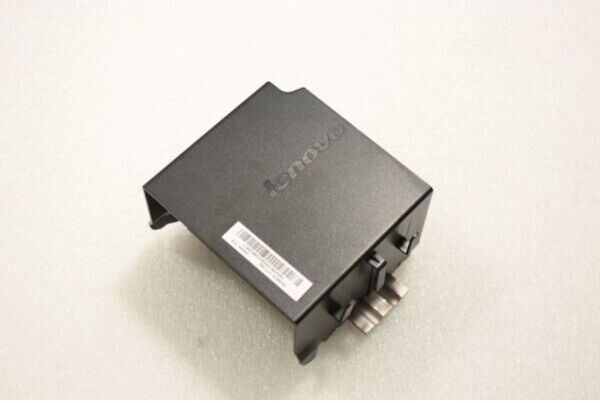
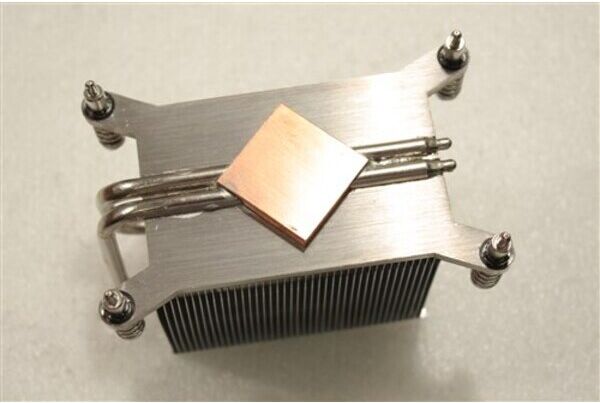
Products related to Heatsink:


-
Which heatsink fits on which motherboard?
The compatibility of a heatsink with a motherboard depends on the socket type of the motherboard and the mounting mechanism of the heatsink. Generally, heatsinks are designed to be compatible with specific socket types such as LGA 1151, AM4, etc. It is important to check the specifications of both the motherboard and the heatsink to ensure compatibility. Additionally, some heatsinks come with multiple mounting brackets to accommodate different socket types, so it's important to verify that the heatsink includes the appropriate mounting hardware for your specific motherboard. **
-
What is usually replaced in a CPU cooler, the fan or the heatsink?
In a CPU cooler, the fan is usually the component that is replaced more frequently than the heatsink. Fans can wear out over time due to constant use and may need to be replaced to maintain proper cooling performance. The heatsink, on the other hand, is a more durable component that typically does not need to be replaced as often unless there is physical damage or a significant decrease in cooling efficiency. **
-
Is the CPU cooler heatsink slightly crooked?
To determine if the CPU cooler heatsink is slightly crooked, you can visually inspect the cooler to see if it is not aligned properly with the CPU. You can also use a level or ruler to check if the heatsink is parallel to the surface of the motherboard. If the heatsink appears to be slightly crooked, it may affect the cooling performance and should be adjusted to ensure proper contact with the CPU. **
-
Does the cooling of the heatsink depend on the CPU cooler fan, or on both?
The cooling of the heatsink depends on both the heatsink itself and the CPU cooler fan. The heatsink is responsible for dissipating the heat generated by the CPU, while the fan helps to move air over the heatsink to enhance the cooling process. Without the fan, the heatsink may not be able to effectively cool the CPU, especially during heavy workloads. Therefore, both components are essential for efficient cooling. **

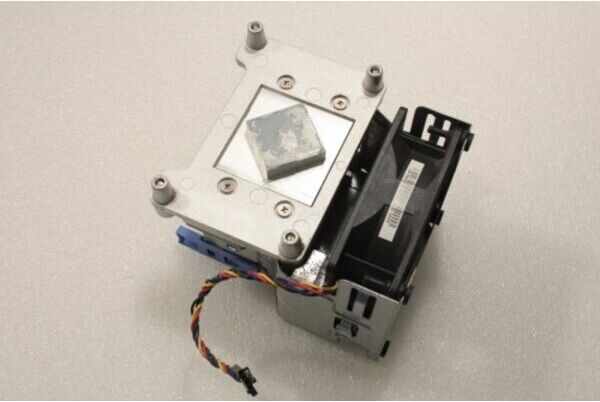
Does the cooling of the CPU cooler depend more on the heatsink or the fan?
The cooling of the CPU cooler depends more on the heatsink rather than the fan. The heatsink is responsible for dissipating the heat generated by the CPU, while the fan helps to enhance the heat dissipation process by blowing air over the heatsink. However, the design and material of the heatsink play a more significant role in determining the overall cooling performance of the CPU cooler. **
Do I need a heatsink for my M.2?
Yes, it is recommended to use a heatsink for your M.2 SSD, especially if you are using it for heavy workloads or gaming. M.2 SSDs can generate a significant amount of heat during operation, and a heatsink can help dissipate that heat, preventing thermal throttling and potentially extending the lifespan of the SSD. Additionally, some M.2 SSDs come with pre-installed heatsinks, but if yours does not, it is a good idea to invest in one for optimal performance and longevity. **
Top-Angebote
Products related to Heatsink:
-
Is an SSD heatsink necessary?
An SSD heatsink is not always necessary, but it can be beneficial in certain situations. SSDs can generate heat during operation, and a heatsink can help dissipate this heat more effectively, potentially improving performance and prolonging the lifespan of the SSD. However, the need for a heatsink depends on factors such as the type of SSD, the workload it will be subjected to, and the overall system cooling. If the SSD will be under heavy load or in a system with limited airflow, a heatsink may be a good investment to help maintain optimal performance and reliability. **
-
Is a heatsink important for OLED?
Yes, a heatsink is important for OLED displays. OLED displays can generate heat during operation, and a heatsink helps to dissipate this heat, preventing the display from overheating. Overheating can lead to decreased performance and reduced lifespan of the OLED display. Therefore, a heatsink is an important component in maintaining the optimal performance and longevity of OLED displays. **
-
Which heatsink fits on which motherboard?
The compatibility of a heatsink with a motherboard depends on the socket type of the motherboard and the mounting mechanism of the heatsink. Generally, heatsinks are designed to be compatible with specific socket types such as LGA 1151, AM4, etc. It is important to check the specifications of both the motherboard and the heatsink to ensure compatibility. Additionally, some heatsinks come with multiple mounting brackets to accommodate different socket types, so it's important to verify that the heatsink includes the appropriate mounting hardware for your specific motherboard. **
-
What is usually replaced in a CPU cooler, the fan or the heatsink?
In a CPU cooler, the fan is usually the component that is replaced more frequently than the heatsink. Fans can wear out over time due to constant use and may need to be replaced to maintain proper cooling performance. The heatsink, on the other hand, is a more durable component that typically does not need to be replaced as often unless there is physical damage or a significant decrease in cooling efficiency. **
Similar search terms for Heatsink
-
Is the CPU cooler heatsink slightly crooked?
To determine if the CPU cooler heatsink is slightly crooked, you can visually inspect the cooler to see if it is not aligned properly with the CPU. You can also use a level or ruler to check if the heatsink is parallel to the surface of the motherboard. If the heatsink appears to be slightly crooked, it may affect the cooling performance and should be adjusted to ensure proper contact with the CPU. **
-
Does the cooling of the heatsink depend on the CPU cooler fan, or on both?
The cooling of the heatsink depends on both the heatsink itself and the CPU cooler fan. The heatsink is responsible for dissipating the heat generated by the CPU, while the fan helps to move air over the heatsink to enhance the cooling process. Without the fan, the heatsink may not be able to effectively cool the CPU, especially during heavy workloads. Therefore, both components are essential for efficient cooling. **
-
Does the cooling of the CPU cooler depend more on the heatsink or the fan?
The cooling of the CPU cooler depends more on the heatsink rather than the fan. The heatsink is responsible for dissipating the heat generated by the CPU, while the fan helps to enhance the heat dissipation process by blowing air over the heatsink. However, the design and material of the heatsink play a more significant role in determining the overall cooling performance of the CPU cooler. **
-
Do I need a heatsink for my M.2?
Yes, it is recommended to use a heatsink for your M.2 SSD, especially if you are using it for heavy workloads or gaming. M.2 SSDs can generate a significant amount of heat during operation, and a heatsink can help dissipate that heat, preventing thermal throttling and potentially extending the lifespan of the SSD. Additionally, some M.2 SSDs come with pre-installed heatsinks, but if yours does not, it is a good idea to invest in one for optimal performance and longevity. **
* All prices are inclusive of VAT and, if applicable, plus shipping costs. The offer information is based on the details provided by the respective shop and is updated through automated processes. Real-time updates do not occur, so deviations can occur in individual cases. ** Note: Parts of this content were created by AI.