Buy footballtoday.eu ?
We are moving the project
footballtoday.eu .
Are you interested in purchasing the domain
footballtoday.eu ?
domain@kv-gmbh.de · 0541-91531010
Buy footballtoday.eu ?
Are carbohydrates hydrophilic?
Yes, carbohydrates are hydrophilic, meaning they have an affinity for water. This is because carbohydrates contain multiple hydroxyl (-OH) groups, which can form hydrogen bonds with water molecules. This property allows carbohydrates to dissolve in water and interact with other hydrophilic molecules. **
Is O2 hydrophilic or hydrophobic?
O2, or molecular oxygen, is hydrophobic. This means that it does not readily mix with or dissolve in water. Instead, O2 tends to repel water and form separate phases. This is why O2 can be found as bubbles in water, as it does not easily dissolve into the liquid. **


Similar search terms for Hydrophilic
Top-Angebote
Products related to Hydrophilic:
-
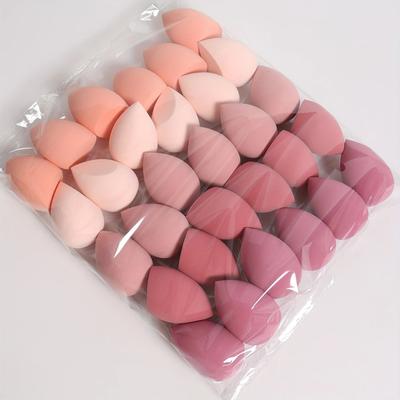
Uplifted Finds Hydrophilic Latex Free Cosmetic Blender And Dermal Aesthetic Interface 18 PcsInaugurate a direct energy for your environment with this integrated cosmetic application solution. This multipiece makeup sponge set serves as a functional choice for your aesthetic maintenance journeys, offering a highdiffusion alternative to...72,97 $*Shipping: 0,00 $Secure redirect to the provider



-
Are polylactides hygroscopic or hydrophilic?
Polylactides are hydrophilic, meaning they have an affinity for water and can absorb moisture from the environment. This property makes them suitable for applications such as absorbable sutures and drug delivery systems. However, their hygroscopic nature can also lead to degradation and loss of mechanical properties if not properly controlled during processing and storage. **
-
What are hydrophilic signaling molecules?
Hydrophilic signaling molecules are molecules that are able to dissolve in water and interact with water molecules. These molecules are often involved in cell signaling and communication within the body. They can bind to specific receptors on the surface of cells, triggering a series of biochemical reactions that ultimately lead to a cellular response. Examples of hydrophilic signaling molecules include hormones like insulin and adrenaline, as well as neurotransmitters like serotonin and dopamine. **
-
Is lemon juice hydrophilic or hydrophobic?
Lemon juice is hydrophilic, meaning it is attracted to water. This is because lemon juice contains a high concentration of water and is also acidic, which allows it to easily mix and dissolve in water. When added to water, lemon juice readily disperses and forms a homogeneous solution, demonstrating its hydrophilic nature. **
-
Is aluminum a material that is hydrophilic?
Aluminum is not considered a hydrophilic material. It is actually hydrophobic, meaning it repels water and does not easily interact with or dissolve in water. This property is due to the non-polar nature of aluminum, which makes it less likely to form hydrogen bonds with water molecules. **

Do hydrophilic and hydrophobic substances repel each other?
Hydrophilic and hydrophobic substances do not necessarily repel each other. In fact, they often interact in a way that is described as "like dissolves like." This means that hydrophilic substances, which are attracted to water, will interact with other hydrophilic substances, while hydrophobic substances, which repel water, will interact with other hydrophobic substances. However, in some cases, hydrophilic and hydrophobic substances may repel each other, depending on the specific properties of the substances and the conditions of the interaction. **
What is the difference between hydrophilic octane and ethanol?
Hydrophilic octane and ethanol are both organic compounds, but they have different chemical properties. Octane is a hydrocarbon, meaning it is composed of hydrogen and carbon atoms, and it is hydrophobic, meaning it does not mix well with water. Ethanol, on the other hand, is an alcohol compound that contains a hydroxyl group, making it hydrophilic, or water-loving. This means that ethanol can easily mix with water, while octane cannot. Additionally, ethanol is commonly used as a solvent and in alcoholic beverages, while octane is a major component of gasoline. **
Top-Angebote
Products related to Hydrophilic:
-
Uplifted Finds Hydrophilic Latex Free Cosmetic Blender And Dermal Aesthetic Interface 7 PcsInaugurate a direct energy for your environment with this integrated cosmetic application solution. This multipiece makeup sponge set serves as a functional choice for your aesthetic maintenance journeys, offering a highdiffusion alternative to...37,97 $*Shipping: 0,00 $Secure redirect to the provider
-
Uplifted Finds Hydrophilic Latex Free Cosmetic Blender And Dermal Aesthetic Interface 18 PcsInaugurate a direct energy for your environment with this integrated cosmetic application solution. This multipiece makeup sponge set serves as a functional choice for your aesthetic maintenance journeys, offering a highdiffusion alternative to...72,97 $*Shipping: 0,00 $Secure redirect to the provider
-
Are carbohydrates hydrophilic?
Yes, carbohydrates are hydrophilic, meaning they have an affinity for water. This is because carbohydrates contain multiple hydroxyl (-OH) groups, which can form hydrogen bonds with water molecules. This property allows carbohydrates to dissolve in water and interact with other hydrophilic molecules. **
-
Is O2 hydrophilic or hydrophobic?
O2, or molecular oxygen, is hydrophobic. This means that it does not readily mix with or dissolve in water. Instead, O2 tends to repel water and form separate phases. This is why O2 can be found as bubbles in water, as it does not easily dissolve into the liquid. **
-
Are polylactides hygroscopic or hydrophilic?
Polylactides are hydrophilic, meaning they have an affinity for water and can absorb moisture from the environment. This property makes them suitable for applications such as absorbable sutures and drug delivery systems. However, their hygroscopic nature can also lead to degradation and loss of mechanical properties if not properly controlled during processing and storage. **
-
What are hydrophilic signaling molecules?
Hydrophilic signaling molecules are molecules that are able to dissolve in water and interact with water molecules. These molecules are often involved in cell signaling and communication within the body. They can bind to specific receptors on the surface of cells, triggering a series of biochemical reactions that ultimately lead to a cellular response. Examples of hydrophilic signaling molecules include hormones like insulin and adrenaline, as well as neurotransmitters like serotonin and dopamine. **
Similar search terms for Hydrophilic
-
Is lemon juice hydrophilic or hydrophobic?
Lemon juice is hydrophilic, meaning it is attracted to water. This is because lemon juice contains a high concentration of water and is also acidic, which allows it to easily mix and dissolve in water. When added to water, lemon juice readily disperses and forms a homogeneous solution, demonstrating its hydrophilic nature. **
-
Is aluminum a material that is hydrophilic?
Aluminum is not considered a hydrophilic material. It is actually hydrophobic, meaning it repels water and does not easily interact with or dissolve in water. This property is due to the non-polar nature of aluminum, which makes it less likely to form hydrogen bonds with water molecules. **
-
Do hydrophilic and hydrophobic substances repel each other?
Hydrophilic and hydrophobic substances do not necessarily repel each other. In fact, they often interact in a way that is described as "like dissolves like." This means that hydrophilic substances, which are attracted to water, will interact with other hydrophilic substances, while hydrophobic substances, which repel water, will interact with other hydrophobic substances. However, in some cases, hydrophilic and hydrophobic substances may repel each other, depending on the specific properties of the substances and the conditions of the interaction. **
-
What is the difference between hydrophilic octane and ethanol?
Hydrophilic octane and ethanol are both organic compounds, but they have different chemical properties. Octane is a hydrocarbon, meaning it is composed of hydrogen and carbon atoms, and it is hydrophobic, meaning it does not mix well with water. Ethanol, on the other hand, is an alcohol compound that contains a hydroxyl group, making it hydrophilic, or water-loving. This means that ethanol can easily mix with water, while octane cannot. Additionally, ethanol is commonly used as a solvent and in alcoholic beverages, while octane is a major component of gasoline. **
* All prices are inclusive of VAT and, if applicable, plus shipping costs. The offer information is based on the details provided by the respective shop and is updated through automated processes. Real-time updates do not occur, so deviations can occur in individual cases. ** Note: Parts of this content were created by AI.