Buy footballtoday.eu ?
We are moving the project
footballtoday.eu .
Are you interested in purchasing the domain
footballtoday.eu ?
domain@kv-gmbh.de · 0541-91531010
Buy footballtoday.eu ?
Could I keep a wheel-web or funnel-web spider in a faunarium?
Yes, you could keep a wheel-web or funnel-web spider in a faunarium. These types of spiders are typically small and do not require a large amount of space to thrive. A faunarium can provide a suitable environment for these spiders, as long as it is properly set up with the necessary substrate, hiding spots, and ventilation. It's important to research the specific needs of the spider species you are considering keeping to ensure that the faunarium meets their requirements for temperature, humidity, and food. **
What is the fan wheel of Sabo?
The fan wheel of Sabo is a key component of their industrial fans and blowers. It is the part of the fan that rotates and creates the airflow within the system. The design and construction of the fan wheel are crucial to the performance and efficiency of the fan, as it determines the amount of air that can be moved and the pressure that can be generated. Sabo's fan wheels are engineered to meet specific airflow and pressure requirements for various industrial applications. **
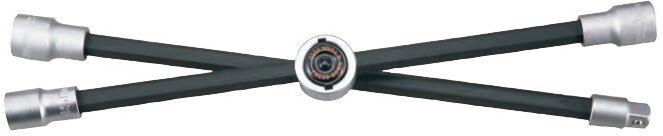

Similar search terms for KUNZER-7PRK1-Spider-wheel
Top-Angebote
Products related to KUNZER-7PRK1-Spider-wheel:
-
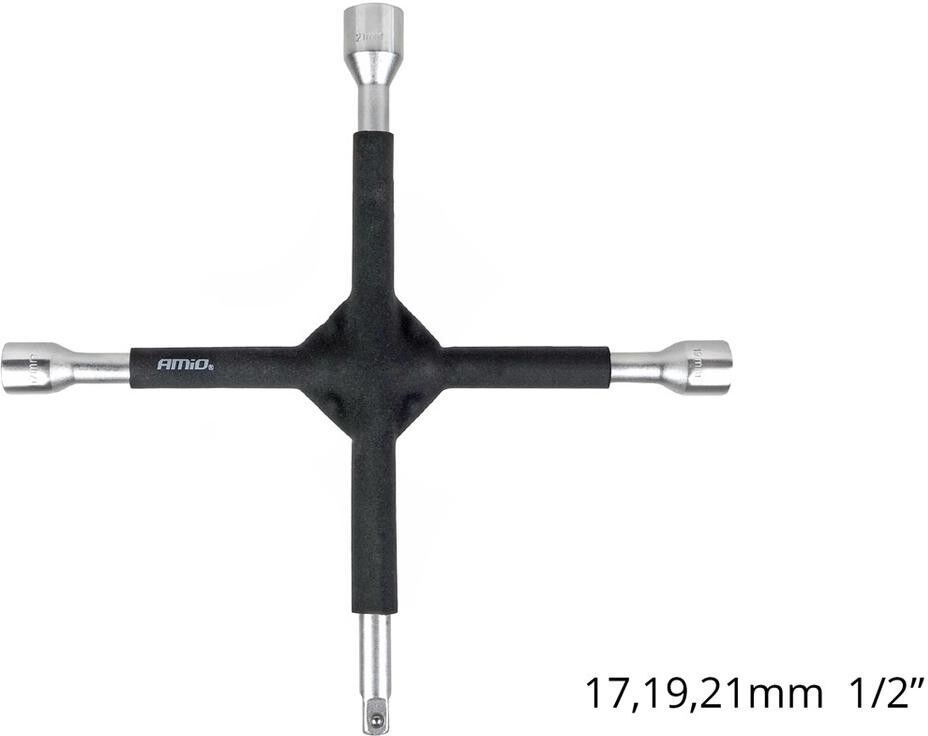
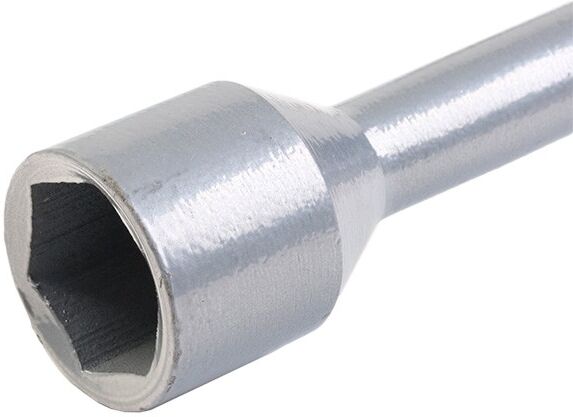
HAZET 720S Spider wheel braceOperating Mode: Manual (hand operated); Net weight [kg]: 5,4; Spanner Size 1 [mm]: 24; Length [mm]: 750; Material: Chrome Vanadium Steel; Surface: Chromed; DIN/ISO: DIN 3119, 3119; Output end (profile): External Hexagon; Weight [g]: 5400; Manufactured in: Germany; Spanner Size: 24, 27, 32; Square Drive Tang Size [mm (inch)]: 10 (3/8)287,99 £*Shipping: 1,99 £Secure redirect to the provider


-
Which spider is more suitable for spider professionals: the Brazilian wandering spider or the brown recluse spider?
The Brazilian wandering spider is more suitable for spider professionals due to its aggressive nature and potent venom. It is considered one of the most venomous spiders in the world and requires careful handling and expertise to manage. On the other hand, the brown recluse spider, while also venomous, is less aggressive and its bites are less common. Therefore, professionals may find the Brazilian wandering spider to be a more challenging and rewarding species to work with. **
-
Which wheel is stronger, the front wheel or the rear wheel?
The rear wheel is typically stronger than the front wheel. This is because the rear wheel bears more of the rider's weight and also provides the power for propulsion. Additionally, the rear wheel is often built with more spokes and a sturdier hub to handle the extra stress and torque. However, both wheels are important for the overall stability and performance of the bike. **
-
Is this spider a brown recluse spider?
Without a clear image or description of the spider in question, it is difficult to definitively determine if it is a brown recluse spider. Brown recluse spiders are typically light to medium brown in color and have a distinctive violin-shaped marking on their back. They are also known for their six eyes arranged in pairs. If you are unsure about the identity of a spider, it is best to contact a professional for proper identification and advice. **
-
To all spider enthusiasts: What spider is this?
Based on the description and location of the spider, it is likely a garden orb-weaving spider (Araneus diadematus). These spiders are commonly found in gardens and wooded areas, and are known for their intricate orb-shaped webs. They are harmless to humans and play a beneficial role in controlling insect populations. If you are interested in learning more about spiders, consider reaching out to local entomology or arachnology groups for further identification and information. **


What kind of spider is this spider creature?
The spider creature in the image appears to be a fictional or mythical creature, as it does not resemble any known species of spider. Its exaggerated size and features, such as the large fangs and multiple eyes, are not characteristic of any real spider. It is likely a creation of fantasy or imagination, rather than a depiction of an actual spider species. **
Is spider web the feces of the spider?
No, spider webs are not the feces of the spider. Spider webs are actually made from silk produced by the spider's spinnerets, which are located at the back of the spider's abdomen. The silk is used by the spider to create webs for catching prey, building nests, or for other purposes. Feces, on the other hand, are waste materials produced by the spider's digestive system and are not used in the construction of webs. **
Top-Angebote
Products related to KUNZER-7PRK1-Spider-wheel:
-
Could I keep a wheel-web or funnel-web spider in a faunarium?
Yes, you could keep a wheel-web or funnel-web spider in a faunarium. These types of spiders are typically small and do not require a large amount of space to thrive. A faunarium can provide a suitable environment for these spiders, as long as it is properly set up with the necessary substrate, hiding spots, and ventilation. It's important to research the specific needs of the spider species you are considering keeping to ensure that the faunarium meets their requirements for temperature, humidity, and food. **
-
What is the fan wheel of Sabo?
The fan wheel of Sabo is a key component of their industrial fans and blowers. It is the part of the fan that rotates and creates the airflow within the system. The design and construction of the fan wheel are crucial to the performance and efficiency of the fan, as it determines the amount of air that can be moved and the pressure that can be generated. Sabo's fan wheels are engineered to meet specific airflow and pressure requirements for various industrial applications. **
-
Which spider is more suitable for spider professionals: the Brazilian wandering spider or the brown recluse spider?
The Brazilian wandering spider is more suitable for spider professionals due to its aggressive nature and potent venom. It is considered one of the most venomous spiders in the world and requires careful handling and expertise to manage. On the other hand, the brown recluse spider, while also venomous, is less aggressive and its bites are less common. Therefore, professionals may find the Brazilian wandering spider to be a more challenging and rewarding species to work with. **
-
Which wheel is stronger, the front wheel or the rear wheel?
The rear wheel is typically stronger than the front wheel. This is because the rear wheel bears more of the rider's weight and also provides the power for propulsion. Additionally, the rear wheel is often built with more spokes and a sturdier hub to handle the extra stress and torque. However, both wheels are important for the overall stability and performance of the bike. **
Similar search terms for KUNZER-7PRK1-Spider-wheel
-
HAZET 720S Spider wheel braceOperating Mode: Manual (hand operated); Net weight [kg]: 5,4; Spanner Size 1 [mm]: 24; Length [mm]: 750; Material: Chrome Vanadium Steel; Surface: Chromed; DIN/ISO: DIN 3119, 3119; Output end (profile): External Hexagon; Weight [g]: 5400; Manufactured in: Germany; Spanner Size: 24, 27, 32; Square Drive Tang Size [mm (inch)]: 10 (3/8)287,99 £*Shipping: 1,99 £Secure redirect to the provider
-
Is this spider a brown recluse spider?
Without a clear image or description of the spider in question, it is difficult to definitively determine if it is a brown recluse spider. Brown recluse spiders are typically light to medium brown in color and have a distinctive violin-shaped marking on their back. They are also known for their six eyes arranged in pairs. If you are unsure about the identity of a spider, it is best to contact a professional for proper identification and advice. **
-
To all spider enthusiasts: What spider is this?
Based on the description and location of the spider, it is likely a garden orb-weaving spider (Araneus diadematus). These spiders are commonly found in gardens and wooded areas, and are known for their intricate orb-shaped webs. They are harmless to humans and play a beneficial role in controlling insect populations. If you are interested in learning more about spiders, consider reaching out to local entomology or arachnology groups for further identification and information. **
-
What kind of spider is this spider creature?
The spider creature in the image appears to be a fictional or mythical creature, as it does not resemble any known species of spider. Its exaggerated size and features, such as the large fangs and multiple eyes, are not characteristic of any real spider. It is likely a creation of fantasy or imagination, rather than a depiction of an actual spider species. **
-
Is spider web the feces of the spider?
No, spider webs are not the feces of the spider. Spider webs are actually made from silk produced by the spider's spinnerets, which are located at the back of the spider's abdomen. The silk is used by the spider to create webs for catching prey, building nests, or for other purposes. Feces, on the other hand, are waste materials produced by the spider's digestive system and are not used in the construction of webs. **
* All prices are inclusive of VAT and, if applicable, plus shipping costs. The offer information is based on the details provided by the respective shop and is updated through automated processes. Real-time updates do not occur, so deviations can occur in individual cases. ** Note: Parts of this content were created by AI.