Buy footballtoday.eu ?
We are moving the project
footballtoday.eu .
Are you interested in purchasing the domain
footballtoday.eu ?
domain@kv-gmbh.de · 0541-91531010
Buy footballtoday.eu ?
What is a perfect radiator fan?
A perfect radiator fan is one that effectively and efficiently cools the engine by drawing air through the radiator to dissipate heat. It should be able to operate quietly, have a long lifespan, and be resistant to corrosion and damage from debris. Additionally, a perfect radiator fan should be able to adjust its speed based on the engine's cooling needs, and be easy to install and maintain. **
Why is my radiator fan not working?
Your radiator fan may not be working due to a variety of reasons. It could be a problem with the fan motor, a blown fuse, a faulty relay, or a malfunctioning temperature sensor. Additionally, there could be issues with the fan blades or the fan shroud that are preventing it from operating properly. It's important to have a professional mechanic diagnose and repair the issue to ensure your vehicle's cooling system is functioning correctly. **
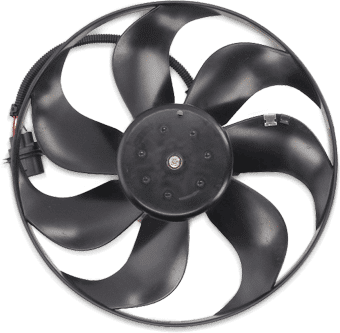
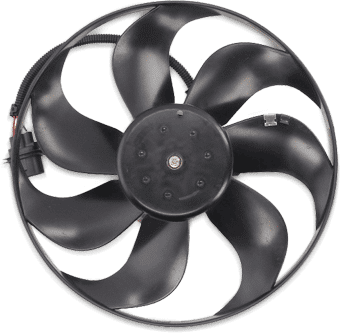
Similar search terms for NTY-CCW-RE-001-Fan-radiator
Top-Angebote
Products related to NTY-CCW-RE-001-Fan-radiator:
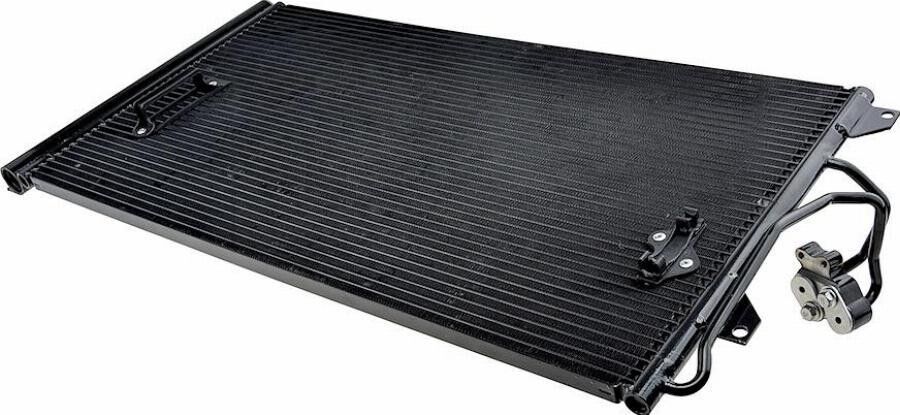


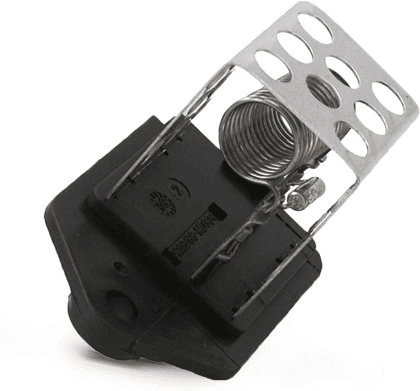
-
How can I replace the HP fan L68134-001 with another one?
To replace the HP fan L68134-001 with another one, you will need to first power off the computer and unplug it from the power source. Then, open the computer case and locate the fan. Unscrew the fan from its mounting and disconnect the power cable. Take note of the fan's size and connector type, and then purchase a replacement fan with the same specifications. Install the new fan by connecting the power cable and securing it in place with screws. Finally, close the computer case and power on the computer to ensure the new fan is working properly. **
-
How does a radiator work without a fan?
A radiator works without a fan by using natural convection to transfer heat away from the engine. As the hot coolant flows through the radiator, it releases heat to the surrounding air. The hot air rises, creating a natural flow of cooler air to replace it. This process allows the radiator to dissipate heat without the need for a fan to force air through the radiator fins. However, in some cases, a fan may be used to enhance the cooling process, especially in situations where natural convection may not be sufficient, such as in heavy traffic or at low speeds. **
-
How is the radiator fan control unit controlled?
The radiator fan control unit is typically controlled by the engine control module (ECM) or the powertrain control module (PCM). These modules monitor the engine temperature using the coolant temperature sensor and activate the radiator fan control unit when the temperature exceeds a certain threshold. The control unit then regulates the speed of the radiator fan to maintain the optimal operating temperature for the engine. Additionally, some vehicles may also have a separate fan relay that is controlled by the ECM or PCM to activate the radiator fan control unit. **
-
How loud is the radiator fan of the PC?
The loudness of a radiator fan in a PC can vary depending on the specific fan model and the speed at which it is running. Generally, radiator fans can produce a noticeable amount of noise, especially when running at higher speeds to cool the system. However, there are also quieter fan options available on the market that can help reduce the overall noise level of a PC. It's important to consider the noise level of the radiator fan when building or upgrading a PC, especially if noise is a concern for the user. **
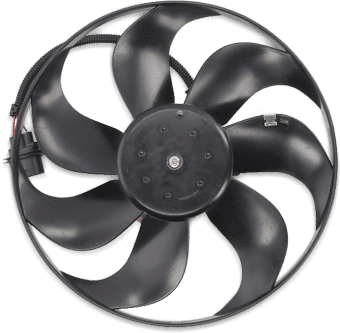
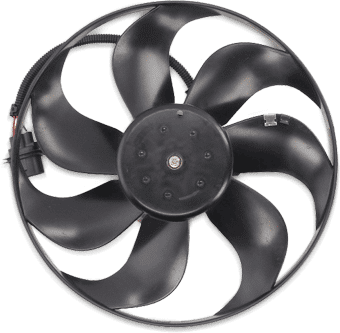
What type of fan is needed for a radiator?
A radiator typically requires a fan that is designed to move a high volume of air through the radiator to help dissipate heat. This type of fan is often referred to as a high-performance or high-flow fan. It is important for the fan to be able to efficiently move air through the radiator to help cool the engine, especially in high-performance or racing applications where heat dissipation is crucial. Additionally, the fan should be durable and able to withstand the high temperatures and harsh conditions typically found in an engine bay. **
Does the fan no longer fit on the radiator?
It is possible that the fan no longer fits on the radiator if there have been changes to the size or shape of either the fan or the radiator. This could be due to a mismatch in dimensions, damage to the fan or radiator, or a different mounting system. It is important to ensure that the fan and radiator are compatible and properly installed to avoid any overheating or performance issues in the cooling system. **
Top-Angebote
Products related to NTY-CCW-RE-001-Fan-radiator:
-
What is a perfect radiator fan?
A perfect radiator fan is one that effectively and efficiently cools the engine by drawing air through the radiator to dissipate heat. It should be able to operate quietly, have a long lifespan, and be resistant to corrosion and damage from debris. Additionally, a perfect radiator fan should be able to adjust its speed based on the engine's cooling needs, and be easy to install and maintain. **
-
Why is my radiator fan not working?
Your radiator fan may not be working due to a variety of reasons. It could be a problem with the fan motor, a blown fuse, a faulty relay, or a malfunctioning temperature sensor. Additionally, there could be issues with the fan blades or the fan shroud that are preventing it from operating properly. It's important to have a professional mechanic diagnose and repair the issue to ensure your vehicle's cooling system is functioning correctly. **
-
How can I replace the HP fan L68134-001 with another one?
To replace the HP fan L68134-001 with another one, you will need to first power off the computer and unplug it from the power source. Then, open the computer case and locate the fan. Unscrew the fan from its mounting and disconnect the power cable. Take note of the fan's size and connector type, and then purchase a replacement fan with the same specifications. Install the new fan by connecting the power cable and securing it in place with screws. Finally, close the computer case and power on the computer to ensure the new fan is working properly. **
-
How does a radiator work without a fan?
A radiator works without a fan by using natural convection to transfer heat away from the engine. As the hot coolant flows through the radiator, it releases heat to the surrounding air. The hot air rises, creating a natural flow of cooler air to replace it. This process allows the radiator to dissipate heat without the need for a fan to force air through the radiator fins. However, in some cases, a fan may be used to enhance the cooling process, especially in situations where natural convection may not be sufficient, such as in heavy traffic or at low speeds. **
Similar search terms for NTY-CCW-RE-001-Fan-radiator
-
HELLA 8EW 366 420-001 Fan, radiatorNumber of fan blades: 7; Operating Mode: Electric; Diameter: 390; Voltage [V]: 12; Number of pins: 2; Rated Power [W]: 250; Rotation Direction: Clockwise rotation; Supplementary Article / Supplementary Info Info 2: without radiator fan shroud, without resistor; Assy./disassy. by qualified personnel required!: ; Machined: without hole(s) for air scoop(s); Construction Year to: 12/2014, 08/2013, 12/2018, 12/2010, 03/2007, 04/2011, 03/2015, 05/2016; Vehicle Production Country: France, Argentina, Europe; Construction Year from: 11/2010, 01/2007, 04/2002, 03/2007, 02/2007, 06/2008, 01/2008, 05/2011, 12/2009, 10/2011, 05/2014, 03/2016, 07/2005; for DAM number from: 1241177; for RPO number up to: 13450, 12615; Engine Code: DV6DTED, DW10CB, DW10CTED4, DW10FD, EP6, EP6CM, DV6BUTED4, EP6CDTMD; for RPO number from: 11011, 11012, 12616, 11074; Transmission Type: 6-Speed Manual Transmission; TecDoc Engine Number: 28551; Vehicle type: DS4, DS4 Crossback53,49 £*Shipping: 8,45 £Secure redirect to the provider
-
HELLA 8EW 366 421-001 Fan, radiatorNumber of fan blades: 6; Operating Mode: Electric; Diameter: 385; Voltage [V]: 12; Number of pins: 2; Rated Power [W]: 250; Rotation Direction: Clockwise rotation; Supplementary Article / Supplementary Info Info 2: with radiator fan shroud; Assy./disassy. by qualified personnel required!: ; Vehicle Equipment: for vehicles with air conditioning (manually controlled), for vehicles with air conditioning; Construction Year to: 12/2012, 02/2007, 06/2015, 10/2013, 11/2012, 06/2013, 05/2009, 08/2012, 03/2008; Construction Year from: 01/2009, 01/2010; Vehicle Equipment Line/Trim Level: Car prod. nr J (+), Car prod. nr M (+); Vehicle type: Sandero Stepway, Sandero71,99 £*Shipping: 8,45 £Secure redirect to the provider
-
How is the radiator fan control unit controlled?
The radiator fan control unit is typically controlled by the engine control module (ECM) or the powertrain control module (PCM). These modules monitor the engine temperature using the coolant temperature sensor and activate the radiator fan control unit when the temperature exceeds a certain threshold. The control unit then regulates the speed of the radiator fan to maintain the optimal operating temperature for the engine. Additionally, some vehicles may also have a separate fan relay that is controlled by the ECM or PCM to activate the radiator fan control unit. **
-
How loud is the radiator fan of the PC?
The loudness of a radiator fan in a PC can vary depending on the specific fan model and the speed at which it is running. Generally, radiator fans can produce a noticeable amount of noise, especially when running at higher speeds to cool the system. However, there are also quieter fan options available on the market that can help reduce the overall noise level of a PC. It's important to consider the noise level of the radiator fan when building or upgrading a PC, especially if noise is a concern for the user. **
-
What type of fan is needed for a radiator?
A radiator typically requires a fan that is designed to move a high volume of air through the radiator to help dissipate heat. This type of fan is often referred to as a high-performance or high-flow fan. It is important for the fan to be able to efficiently move air through the radiator to help cool the engine, especially in high-performance or racing applications where heat dissipation is crucial. Additionally, the fan should be durable and able to withstand the high temperatures and harsh conditions typically found in an engine bay. **
-
Does the fan no longer fit on the radiator?
It is possible that the fan no longer fits on the radiator if there have been changes to the size or shape of either the fan or the radiator. This could be due to a mismatch in dimensions, damage to the fan or radiator, or a different mounting system. It is important to ensure that the fan and radiator are compatible and properly installed to avoid any overheating or performance issues in the cooling system. **
* All prices are inclusive of VAT and, if applicable, plus shipping costs. The offer information is based on the details provided by the respective shop and is updated through automated processes. Real-time updates do not occur, so deviations can occur in individual cases. ** Note: Parts of this content were created by AI.