Buy footballtoday.eu ?
We are moving the project
footballtoday.eu .
Are you interested in purchasing the domain
footballtoday.eu ?
domain@kv-gmbh.de · 0541-91531010
Buy footballtoday.eu ?
What are heat-retaining materials?
Heat-retaining materials are substances that have the ability to trap and hold heat for an extended period of time. These materials are often used in insulation to prevent heat loss in buildings or to keep objects warm. Common examples of heat-retaining materials include wool, fiberglass, and certain types of foam. By using these materials, energy consumption for heating can be reduced, making them environmentally friendly options. **
How can I convert a 3-pin fan into a 4-pin fan?
To convert a 3-pin fan into a 4-pin fan, you can use a 3-pin to 4-pin fan adapter. This adapter will allow you to connect the 3-pin fan to a 4-pin header on your motherboard. The 4-pin header provides PWM (Pulse Width Modulation) control, which allows for more precise fan speed control compared to the 3-pin header. By using the adapter, you can take advantage of the PWM control and potentially improve the cooling performance of the fan. **


Similar search terms for SEALEY-VSE2358-Retaining-Pin
Top-Angebote
Products related to SEALEY-VSE2358-Retaining-Pin:

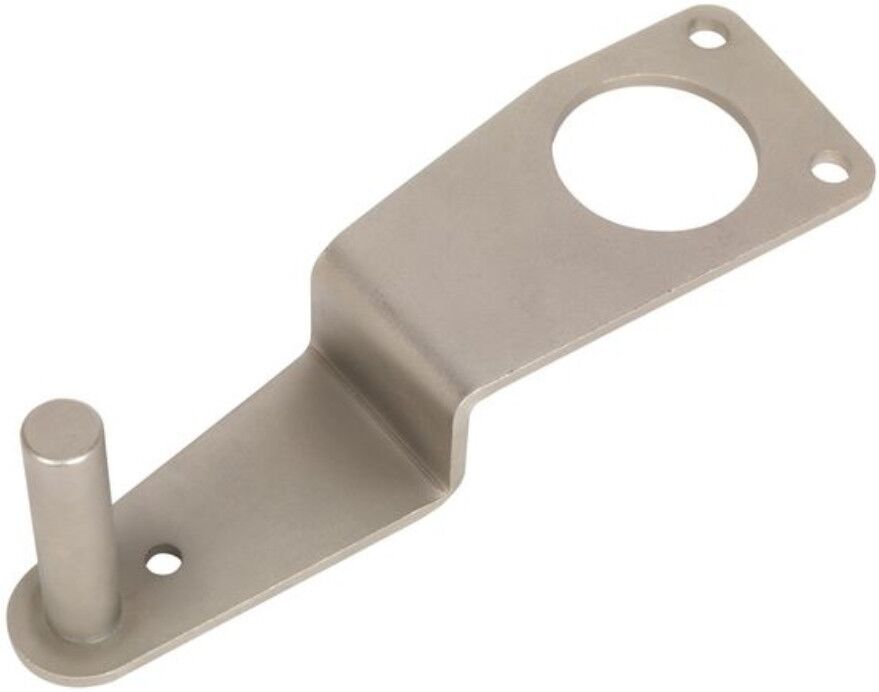


-
Is the CPU fan pin relevant?
Yes, the CPU fan pin is relevant as it is used to connect the CPU fan to the motherboard. The CPU fan is essential for cooling the CPU and preventing it from overheating, so it is important to ensure that it is properly connected to the motherboard via the CPU fan pin. Without a properly connected CPU fan, the CPU could overheat and potentially be damaged. Therefore, the CPU fan pin is an important component in maintaining the proper functioning and longevity of the CPU. **
-
Can a 3-pin fan be operated on a 4-pin hub?
Yes, a 3-pin fan can be operated on a 4-pin hub. The 4-pin hub will still be able to provide power to the 3-pin fan, but it may not be able to control the fan speed as precisely as it would with a 4-pin fan. The 4-pin hub uses pulse-width modulation (PWM) to control fan speed, while the 3-pin fan uses voltage control. So, while the 4-pin hub may not be able to control the 3-pin fan as effectively, it can still power and operate the fan. **
-
Can I use a 4-pin fan with a 2-pin control?
Yes, you can use a 4-pin fan with a 2-pin control. The 2-pin control will still be able to power the fan and control its speed, but it may not have the same level of precision and control as a 4-pin control. The 2-pin control will likely only be able to adjust the fan speed by voltage regulation, while a 4-pin control can also adjust the speed using pulse-width modulation (PWM) for more precise control. However, the 4-pin fan should still function with the 2-pin control, albeit with potentially limited speed control options. **
-
How can a retaining wall be renovated?
A retaining wall can be renovated by first assessing the extent of the damage and identifying the cause of the deterioration. Once the underlying issues are addressed, the wall can be repaired by replacing damaged or deteriorated materials, reinforcing the structure with additional support, and improving drainage to prevent future damage. It is important to consult with a professional engineer or contractor to ensure that the renovation is done properly and meets safety standards. **


How much does a retaining wall cost?
The cost of a retaining wall can vary depending on factors such as the materials used, the size of the wall, and the complexity of the design. On average, homeowners can expect to pay between $3,000 to $10,000 for a retaining wall. However, for larger or more intricate walls, the cost can exceed $15,000. It is recommended to get quotes from multiple contractors to get a better idea of the specific cost for your project. **
How can I connect a 4-pin fan to a 3-pin motherboard?
You can connect a 4-pin fan to a 3-pin motherboard by using a 4-pin to 3-pin adapter. This adapter will allow you to plug the 4-pin fan into the 3-pin header on the motherboard. The adapter will still provide power to the fan and allow it to function properly, although it may not be able to take advantage of the full range of speed control that a 4-pin header would provide. Make sure to check the fan's compatibility with the motherboard before using an adapter. **
Top-Angebote
Products related to SEALEY-VSE2358-Retaining-Pin:
-
What are heat-retaining materials?
Heat-retaining materials are substances that have the ability to trap and hold heat for an extended period of time. These materials are often used in insulation to prevent heat loss in buildings or to keep objects warm. Common examples of heat-retaining materials include wool, fiberglass, and certain types of foam. By using these materials, energy consumption for heating can be reduced, making them environmentally friendly options. **
-
How can I convert a 3-pin fan into a 4-pin fan?
To convert a 3-pin fan into a 4-pin fan, you can use a 3-pin to 4-pin fan adapter. This adapter will allow you to connect the 3-pin fan to a 4-pin header on your motherboard. The 4-pin header provides PWM (Pulse Width Modulation) control, which allows for more precise fan speed control compared to the 3-pin header. By using the adapter, you can take advantage of the PWM control and potentially improve the cooling performance of the fan. **
-
Is the CPU fan pin relevant?
Yes, the CPU fan pin is relevant as it is used to connect the CPU fan to the motherboard. The CPU fan is essential for cooling the CPU and preventing it from overheating, so it is important to ensure that it is properly connected to the motherboard via the CPU fan pin. Without a properly connected CPU fan, the CPU could overheat and potentially be damaged. Therefore, the CPU fan pin is an important component in maintaining the proper functioning and longevity of the CPU. **
-
Can a 3-pin fan be operated on a 4-pin hub?
Yes, a 3-pin fan can be operated on a 4-pin hub. The 4-pin hub will still be able to provide power to the 3-pin fan, but it may not be able to control the fan speed as precisely as it would with a 4-pin fan. The 4-pin hub uses pulse-width modulation (PWM) to control fan speed, while the 3-pin fan uses voltage control. So, while the 4-pin hub may not be able to control the 3-pin fan as effectively, it can still power and operate the fan. **
Similar search terms for SEALEY-VSE2358-Retaining-Pin
-
Can I use a 4-pin fan with a 2-pin control?
Yes, you can use a 4-pin fan with a 2-pin control. The 2-pin control will still be able to power the fan and control its speed, but it may not have the same level of precision and control as a 4-pin control. The 2-pin control will likely only be able to adjust the fan speed by voltage regulation, while a 4-pin control can also adjust the speed using pulse-width modulation (PWM) for more precise control. However, the 4-pin fan should still function with the 2-pin control, albeit with potentially limited speed control options. **
-
How can a retaining wall be renovated?
A retaining wall can be renovated by first assessing the extent of the damage and identifying the cause of the deterioration. Once the underlying issues are addressed, the wall can be repaired by replacing damaged or deteriorated materials, reinforcing the structure with additional support, and improving drainage to prevent future damage. It is important to consult with a professional engineer or contractor to ensure that the renovation is done properly and meets safety standards. **
-
How much does a retaining wall cost?
The cost of a retaining wall can vary depending on factors such as the materials used, the size of the wall, and the complexity of the design. On average, homeowners can expect to pay between $3,000 to $10,000 for a retaining wall. However, for larger or more intricate walls, the cost can exceed $15,000. It is recommended to get quotes from multiple contractors to get a better idea of the specific cost for your project. **
-
How can I connect a 4-pin fan to a 3-pin motherboard?
You can connect a 4-pin fan to a 3-pin motherboard by using a 4-pin to 3-pin adapter. This adapter will allow you to plug the 4-pin fan into the 3-pin header on the motherboard. The adapter will still provide power to the fan and allow it to function properly, although it may not be able to take advantage of the full range of speed control that a 4-pin header would provide. Make sure to check the fan's compatibility with the motherboard before using an adapter. **
* All prices are inclusive of VAT and, if applicable, plus shipping costs. The offer information is based on the details provided by the respective shop and is updated through automated processes. Real-time updates do not occur, so deviations can occur in individual cases. ** Note: Parts of this content were created by AI.