Buy footballtoday.eu ?
We are moving the project
footballtoday.eu .
Are you interested in purchasing the domain
footballtoday.eu ?
domain@kv-gmbh.de · 0541-91531010
Buy footballtoday.eu ?
How do you separate sand and blue watercolor powder?
To separate sand and blue watercolor powder, you can use a process called filtration. First, mix the sand and watercolor powder with water to create a slurry. Then, pour the slurry through a filter paper or a fine mesh sieve. The sand particles will be caught by the filter, while the blue watercolor powder will pass through with the water. Finally, allow the water to evaporate, leaving behind the separated sand and blue watercolor powder. **
Are watercolor paints toxic?
Watercolor paints are generally considered non-toxic and safe for use, as they are made from pigments mixed with a water-based solution. However, some watercolor paints may contain toxic ingredients such as heavy metals or harmful chemicals, so it is important to check the label and use them in a well-ventilated area. It is always recommended to keep watercolor paints away from children and pets, and to wash hands thoroughly after use. **

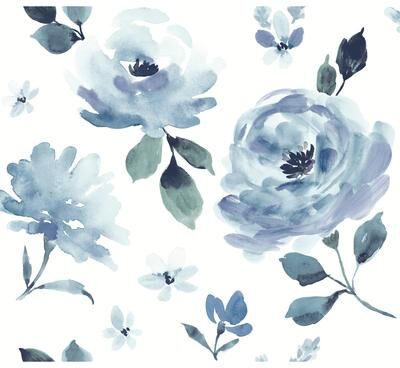
Similar search terms for York-Wallcoverings-Blue-Watercolor
Top-Angebote
Products related to York-Wallcoverings-Blue-Watercolor:
-
York Wallcoverings Blue Checkmate Watercolor Plaid Peel and Stick WallpaperArt meets woven in this bold, yet gentle, brushstroke interpretation of classic plaid. This Checkmate Watercolor Plaid Peel & Stick Wallpaper measures approximately 20.5 inches wide by 20 feet long, covering About 34.2 square feet per roll.47,51 $*Shipping: 0,00 $Secure redirect to the provider


-
What is watercolor shellac?
Watercolor shellac is a type of paint medium that combines watercolor with shellac, a natural resin derived from the lac beetle. This mixture creates a unique paint that has the transparency and flow of watercolors, but with the added benefit of shellac's glossy finish and durability. Watercolor shellac is often used in fine art painting and decorative arts to achieve a vibrant and long-lasting finish. **
-
What are watercolor effects?
Watercolor effects refer to the unique characteristics and techniques associated with watercolor painting. These effects include the blending of colors, transparency, and the ability to create soft, flowing lines. Watercolor effects can also involve layering colors to create depth and texture, as well as using techniques such as wet-on-wet and dry brushing to achieve different visual effects. Overall, watercolor effects allow artists to create beautiful, ethereal, and expressive artworks. **
-
Are watercolor paints waterproof?
Watercolor paints are not waterproof once they have dried. They are water-soluble, meaning they can be reactivated with water even after they have dried. This makes them a versatile medium for creating different effects and blending colors. However, if you want to make your watercolor painting waterproof, you can use a fixative spray or apply a watercolor varnish once the painting is completely dry. **
-
Which colors match baby blue?
Baby blue pairs well with soft, pastel colors such as light pink, lavender, and mint green. These colors create a delicate and soothing color palette that complements the softness of baby blue. Additionally, baby blue can also be paired with neutral colors like white, cream, and light gray for a clean and fresh look. **

Can someone recommend watercolor paper?
One highly recommended watercolor paper is the Arches Watercolor Paper. It is known for its high quality and durability, making it a popular choice among watercolor artists. Another good option is the Strathmore 400 Series Watercolor Paper, which is more affordable but still provides a good surface for watercolor painting. Ultimately, the best watercolor paper for you will depend on your budget, painting style, and personal preferences. **
What are your watercolor techniques?
My watercolor techniques involve using wet-on-wet and wet-on-dry methods to create different effects. I often start by wetting the paper and then applying the paint to create soft, blended washes. I also use dry brush techniques to add texture and detail to my paintings. Additionally, I like to layer colors to build up depth and intensity in my watercolor pieces. **
Top-Angebote
Products related to York-Wallcoverings-Blue-Watercolor:
-
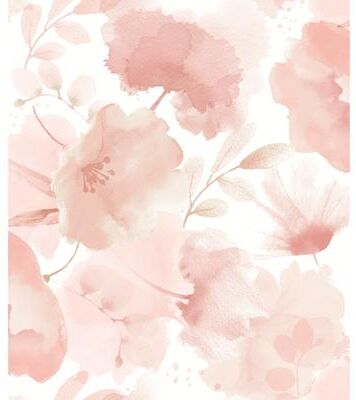
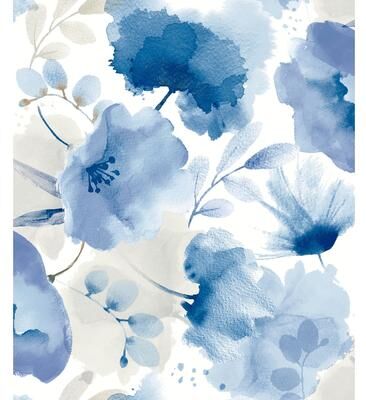
York Wallcoverings Blue Watercolor Blooms Peel and Stick WallpaperSoft petals glow with translucent color in this soft watercolor toss of blooms and stems. This Watercolor Blooms Peel & Stick Wallpaper measures approximately 27 inches wide by 20 feet long, covering About 45 square feet per roll.59,50 $*Shipping: 0,00 $Secure redirect to the provider
-
How do you separate sand and blue watercolor powder?
To separate sand and blue watercolor powder, you can use a process called filtration. First, mix the sand and watercolor powder with water to create a slurry. Then, pour the slurry through a filter paper or a fine mesh sieve. The sand particles will be caught by the filter, while the blue watercolor powder will pass through with the water. Finally, allow the water to evaporate, leaving behind the separated sand and blue watercolor powder. **
-
Are watercolor paints toxic?
Watercolor paints are generally considered non-toxic and safe for use, as they are made from pigments mixed with a water-based solution. However, some watercolor paints may contain toxic ingredients such as heavy metals or harmful chemicals, so it is important to check the label and use them in a well-ventilated area. It is always recommended to keep watercolor paints away from children and pets, and to wash hands thoroughly after use. **
-
What is watercolor shellac?
Watercolor shellac is a type of paint medium that combines watercolor with shellac, a natural resin derived from the lac beetle. This mixture creates a unique paint that has the transparency and flow of watercolors, but with the added benefit of shellac's glossy finish and durability. Watercolor shellac is often used in fine art painting and decorative arts to achieve a vibrant and long-lasting finish. **
-
What are watercolor effects?
Watercolor effects refer to the unique characteristics and techniques associated with watercolor painting. These effects include the blending of colors, transparency, and the ability to create soft, flowing lines. Watercolor effects can also involve layering colors to create depth and texture, as well as using techniques such as wet-on-wet and dry brushing to achieve different visual effects. Overall, watercolor effects allow artists to create beautiful, ethereal, and expressive artworks. **
Similar search terms for York-Wallcoverings-Blue-Watercolor
-
York Wallcoverings Blue Checkmate Watercolor Plaid Peel and Stick WallpaperArt meets woven in this bold, yet gentle, brushstroke interpretation of classic plaid. This Checkmate Watercolor Plaid Peel & Stick Wallpaper measures approximately 20.5 inches wide by 20 feet long, covering About 34.2 square feet per roll.47,51 $*Shipping: 0,00 $Secure redirect to the provider
-
York Wallcoverings Grasscloth Blue WallpaperThis Grasscloth Wallpaper measures approximately 36 inches wide by 24 feet long, covering About 72 square feet per roll. Unpasted grasscloth material; ; Dust and Vacuum and peelable; 36-in by 24-ft long roll; Covers about 72 square feet612,00 $*Shipping: 0,00 $Secure redirect to the provider
-
Are watercolor paints waterproof?
Watercolor paints are not waterproof once they have dried. They are water-soluble, meaning they can be reactivated with water even after they have dried. This makes them a versatile medium for creating different effects and blending colors. However, if you want to make your watercolor painting waterproof, you can use a fixative spray or apply a watercolor varnish once the painting is completely dry. **
-
Which colors match baby blue?
Baby blue pairs well with soft, pastel colors such as light pink, lavender, and mint green. These colors create a delicate and soothing color palette that complements the softness of baby blue. Additionally, baby blue can also be paired with neutral colors like white, cream, and light gray for a clean and fresh look. **
-
Can someone recommend watercolor paper?
One highly recommended watercolor paper is the Arches Watercolor Paper. It is known for its high quality and durability, making it a popular choice among watercolor artists. Another good option is the Strathmore 400 Series Watercolor Paper, which is more affordable but still provides a good surface for watercolor painting. Ultimately, the best watercolor paper for you will depend on your budget, painting style, and personal preferences. **
-
What are your watercolor techniques?
My watercolor techniques involve using wet-on-wet and wet-on-dry methods to create different effects. I often start by wetting the paper and then applying the paint to create soft, blended washes. I also use dry brush techniques to add texture and detail to my paintings. Additionally, I like to layer colors to build up depth and intensity in my watercolor pieces. **
* All prices are inclusive of VAT and, if applicable, plus shipping costs. The offer information is based on the details provided by the respective shop and is updated through automated processes. Real-time updates do not occur, so deviations can occur in individual cases. ** Note: Parts of this content were created by AI.